Using the RefillRx mobile app? Then you will love our new, ENHANCED Sentry Drug Center mobile app.
Quickly request refills or login and manage your prescriptions on the go!
Available on both iTunes and Google Play.
Call or Visit for All of your Vaccination Needs!
Get Healthy!
- Posted February 27, 2026
More Parents Are Refusing A Life-Saving Shot For Their Newborns, Study Finds
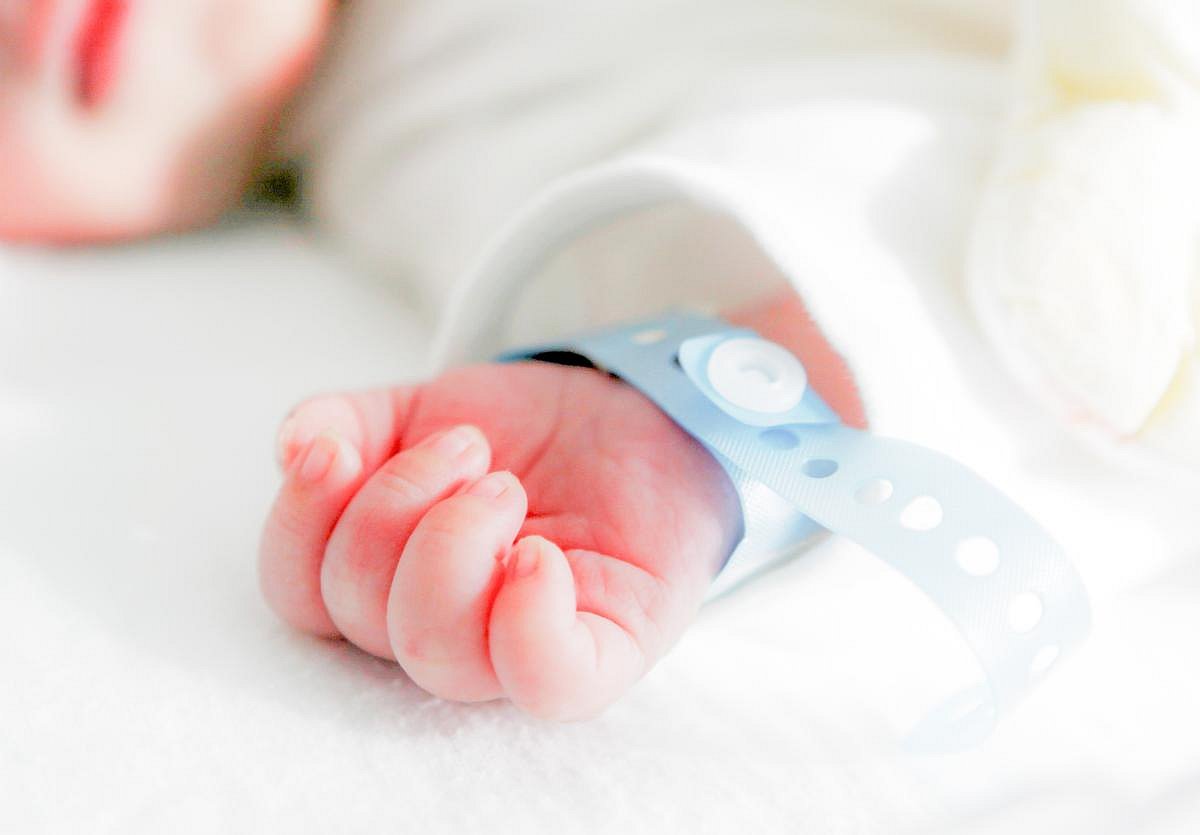
A growing number of parents are refusing an injection that protects newborns against life-threatening brain bleeds, a new study says.
Babies who don’t get a vitamin K injection at birth are 81 times more likely to suffer dangerous bleeding that often leads to brain damage, according to findings to be presented at an upcoming meeting of the American Academy of Neurology (AAN).
Unfortunately, there’s been an increase in the number of parents who are refusing a vitamin K injection for their newborn, researchers found.
Not getting the shot can have devastating consequences, according to the study.
About 63% of infants with vitamin K deficiency bleeding suffered a brain hemorrhage, 40% developed long-term brain damage, and 14% died, results showed.
“Vitamin K at birth is safe and effective, and while refusal is still uncommon with rates in the United States remaining under 1% in most hospitals, our review found in recent years, there have been increases in parents refusing this supplement for their newborns,” researcher Dr. Kate Semidey, an assistant professor of pediatrics at Florida International University in Miami, said in a news release.
Babies are born with very low levels of vitamin K, an essential vitamin needed for blood to clot normally, researchers said in background notes.
To protect newborns, doctors recommend a single shot of vitamin K following birth. It’s not a vaccine, simply a vitamin supplement.
For the new study, researchers analyzed data from 25 prior studies examining vitamin K refusal and how often babies suffer from vitamin K deficiency bleeding.
Results showed that in Minnesota, refusal rates rose from 0.9% in 2015 to 1.6% in 2019. Refusal rates ranged from 0.2% to 1.3% in California, Connecticut and Iowa.
These numbers might be even higher. More than half of hospital staffers said they’ve had more parents refusing or pushing back on vitamin K injections, researchers said.
Internationally, refusal rates ranged from 1% to 3% in Canada, New Zealand and Scotland, researchers found.
Researchers also found that vitamin K refusal tended to be part of an overall pattern of skepticism toward medicine.
In the U.S., parents who refused vitamin K were 90 times more likely to refuse both the hepatitis B vaccine and eye ointments meant to protect newborns from infections that can cause blindness.
In Canada, parents who refused the injection were 15 times more likely to not have their child vaccinated by 15 months old. In New Zealand, they were 14 times more likely.
Parents said they were concerned about the pain of the injection and the potential effect of preservatives that might be in the shot. They also tended to believe inaccurate information about the injection.
“Our findings point to an urgent need for health care professionals to provide prenatal counseling to parents to ensure they understand that vitamin K can dramatically reduce preventable brain injury and its lifelong impact,” Semidey said.
Researchers are expected to present their findings during AAN’s annual meeting, which is scheduled for April 18-22 in Chicago.
Findings presented at medical meetings should be considered preliminary until published in a peer-reviewed journal.
More information
The U.S. Centers for Disease Control and Prevention has more on vitamin K injections for newborns.
SOURCE: American Academy of Neurology, news release, Feb. 26, 2026
