Using the RefillRx mobile app? Then you will love our new, ENHANCED Sentry Drug Center mobile app.
Quickly request refills or login and manage your prescriptions on the go!
Available on both iTunes and Google Play.
Call or Visit for All of your Vaccination Needs!
Get Healthy!
- Posted August 21, 2026
TikTok Shaping Teens' Appetites, Diet
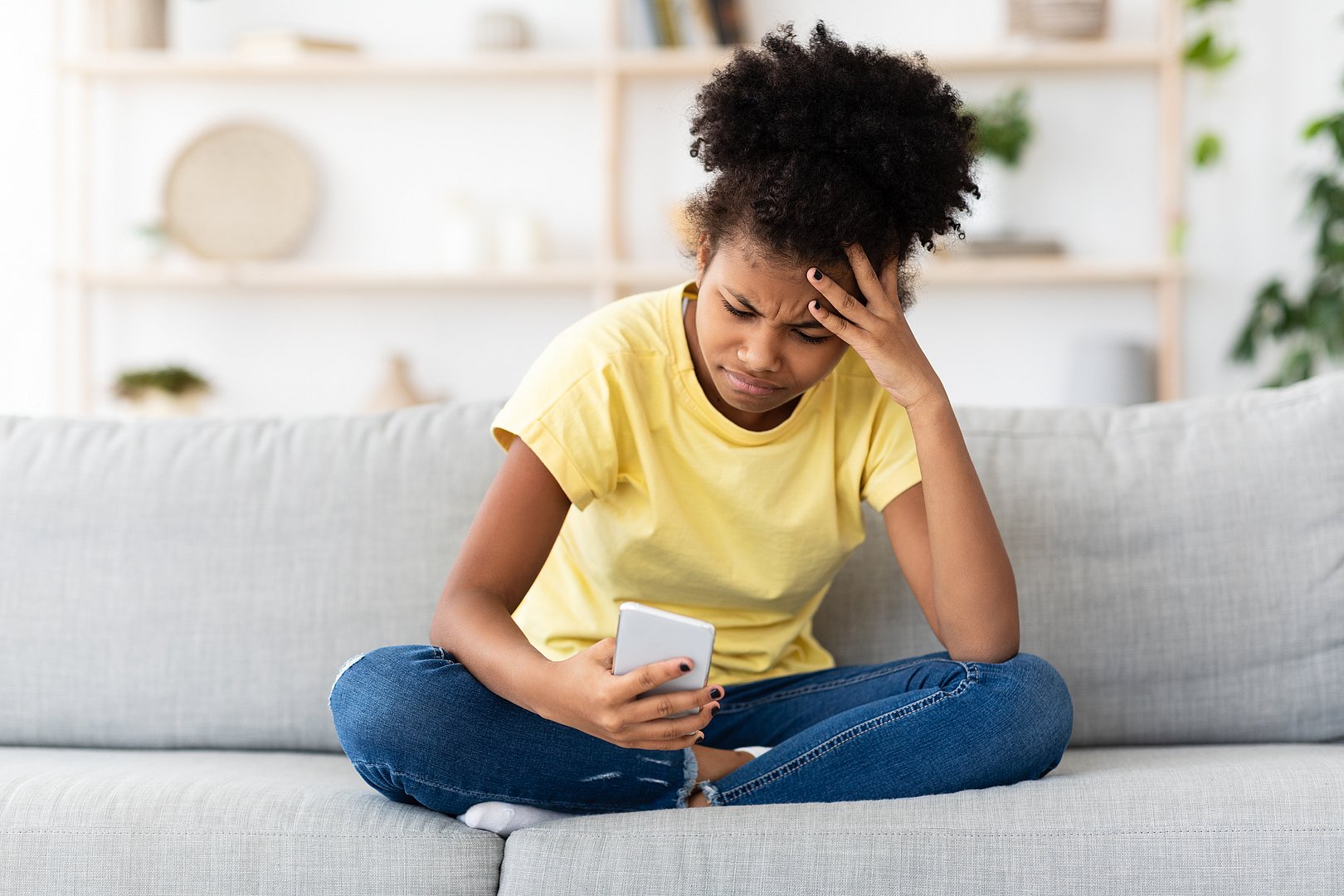
TikTok is shaping teenagers’ appetites, a new study suggests.
Teens say what they see on TikTok is prompting hunger, driving their cravings and fueling their interest in trying new food, researchers reported Aug. 19 in the Journal of Nutrition Education and Behavior.
"Adolescents described TikTok as a highly engaging environment where food content can quickly capture their attention and cue a desire to eat or try something new," said lead author Adrianna Bell, who conducted the study as a research fellow at the University of Minnesota.
However, the teens also said that parents can successfully intercede in TikTok’s influence, by offering family meals, shared activities and other face-to-face interactions as a substitute.
Parents also can provide a protective perspective by questioning the credibility of what teenagers are being fed through TikTok, the study says.
"While participants generally viewed their parents as uninvolved in their day-to-day TikTok use, they also described times when parents played an important role by interrupting exposure to food-related content and encouraging critical conversations about that content,” Bell said in a news release.
For the new study, researchers conducted four focus groups with a group of 15- and 16-year-olds attending a Midwestern high school.
The 25 teens said they encountered a wide variety of food-related TikTok content, including recipes, viral trends, restaurant reviews, influencer promotions, personal daily diet overviews and ads.
Visually appealing food presentation, comments from other users and influencers’ recommendations could increase their interest in certain foods.
Some teens noted that they might try adopting an influencer’s diet if that person looked good.
“Because I’ve seen some dudes that are so buff and they have a good body, you know, and I’m like, damn, and so I click on his account and see what they’d be eating. And then I sometimes change how I eat, like try to match it,” one participant said.
However, teens tended to be skeptical of sponsored promotions.
“There are these creators that get to do ads for companies and stuff and you can’t trust them, cause they lie about everything just to get money, you know?” another participant said.
They also tend to become frustrated if TikTok offers them an appealing take on a food not available in their area, or not easily attainable.
“It’s across the world, we can’t get it! And also it’s like, even if it’s not about money, you can’t get what they have right now, like you want it right now. And if you do get it, like in a few minutes, you’re maybe not going to want it. It’s like, I want it right now, and I can’t get it. So that’s what makes me mad sometimes,” one teen said.
Despite all this, teens say that their parents offer important guidance regarding how to view TikTok offerings.
“I learned from my own mom, she told me that people on TikTok are living different lifestyles and have different body types. Sometimes even if we do follow every step they give us, we’re not going to have the same outcome as them, because we have different bodies, we are different humans,” another teen said.
“I had to learn that the hard way,” the teen continued. “TikTok told me at a young age that, ‘do this diet and you’ll be skinny in 22 days,’ and I followed that the hard way.”
These results indicate that increased regulation of food marketing to young people might help improve their diets, researchers said.
“The immediacy of wanting to consume foods and try new foods that appeared appetizing on TikTok may relate to the activation of attention and reward-related brain regions, potentially interfering with impulse control,” researchers wrote.
“The immediacy may also be amplified by the platform’s persuasive design and the frequency of food-related ads,” the team concluded.
However, they noted that more research is needed to tie TikTok videos to teens’ actual diet choices.
More information
The National Institutes of Health has more on healthy eating for teenagers.
SOURCES: Elsevier, news release, Aug. 19, 2026; Journal of Nutrition Education and Behavior, Aug. 19, 2026
