Using the RefillRx mobile app? Then you will love our new, ENHANCED Sentry Drug Center mobile app.
Quickly request refills or login and manage your prescriptions on the go!
Available on both iTunes and Google Play.
Call or Visit for All of your Vaccination Needs!
Get Healthy!
- Posted March 9, 2026
Illicit Drugs Raise Stroke Risk, Even for Younger Adults
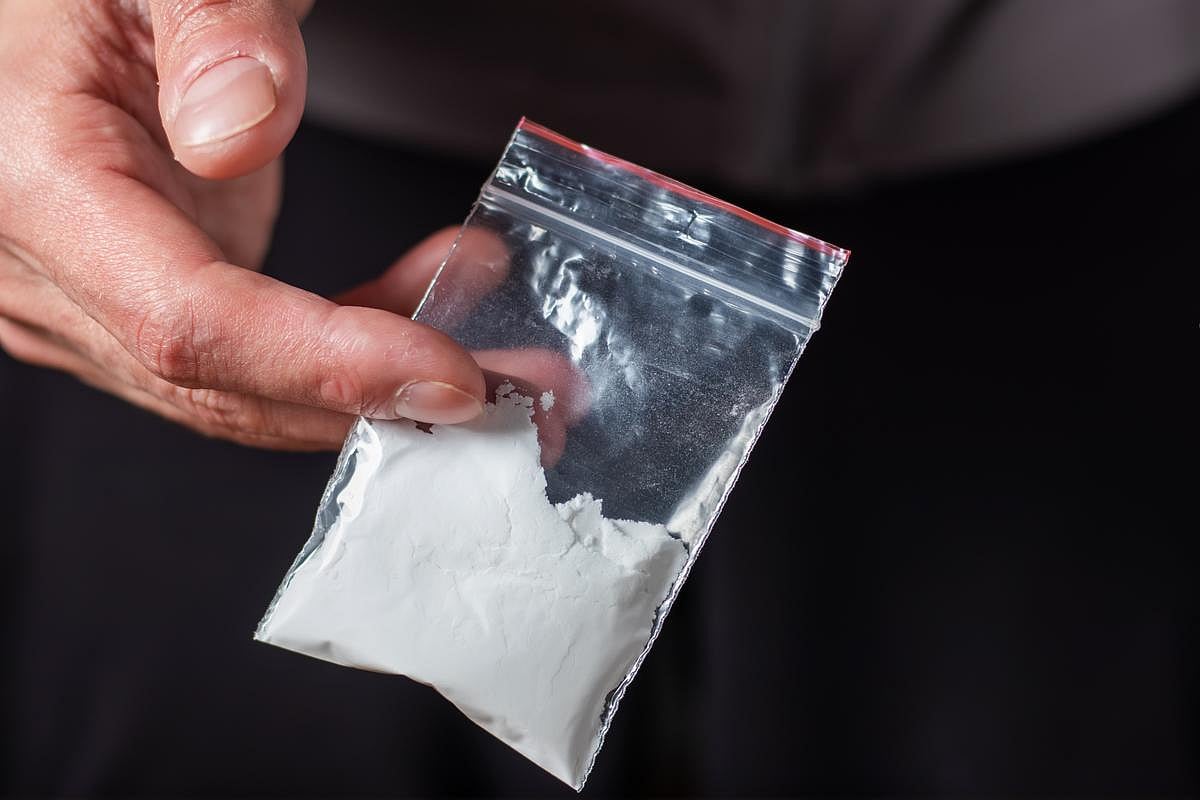
Smoking weed, taking a hit of cocaine or popping some amphetamines can raise a person’s risk of stroke – even if they’re a younger adult.
Coke and amphetamines can double or triple the risk of stroke for any adult, researchers reported in the International Journal of Stroke.
Weed also increases stroke risk, but to a lesser extent, British researchers said.
“This is the most comprehensive analysis ever conducted on recreational drug use and stroke risk and provides compelling evidence that drugs like cocaine, amphetamines, and cannabis are causal risk factors for stroke,” lead researcher Megan Ritson said in a news release. She's a postdoctoral research associate with the University of Cambridge.
For the new study, researchers pooled data from 32 prior studies involving more than 100 million people, comparing illicit drug use to stroke risk.
Results showed that for all participants, amphetamines and cocaine doubled stroke risk – 122% higher risk for amphetamines, 96% for cocaine. Weed increased risk around 37%.
The team then limited its analysis to adults younger than 55, and found that youth didn't shield users from upped stroke risk.
In this younger cohort, amphetamine use nearly tripled the risk of stroke (174% increase), and cocaine doubled the risk (97%). Weed increased stroke risk among younger adults by 14%.
Problem drinking and alcoholism also were linked to an increased risk of stroke, researchers found.
Illicit drugs could be linked to an increased risk of stroke because they cause sudden spikes in blood pressure, blood vessel spasms, heart rhythm problems, increased blood clotting, or inflammation, the researchers theorized.
“Our analysis suggests that it is these drugs themselves that increase the risk of stroke, not just other lifestyle factors among users,” senior researcher Eric Harshfield, a research fellow at the University of Cambridge, said in a news release.
“Taken together, our findings emphasize the importance of public health measures to reduce substance abuse as a way of helping also reduce stroke risk,” Harshfield said.
More information
The American Heart Association has more on illegal drugs and heart disease.
SOURCE: University of Cambridge, news release, March 8, 2026
